Singapore Becomes First Country to Achieve WHO's Highest Medical Device Certification
What this means for medical tourism in Asia and how China compares in healthcare standards
🔥 The Breaking News
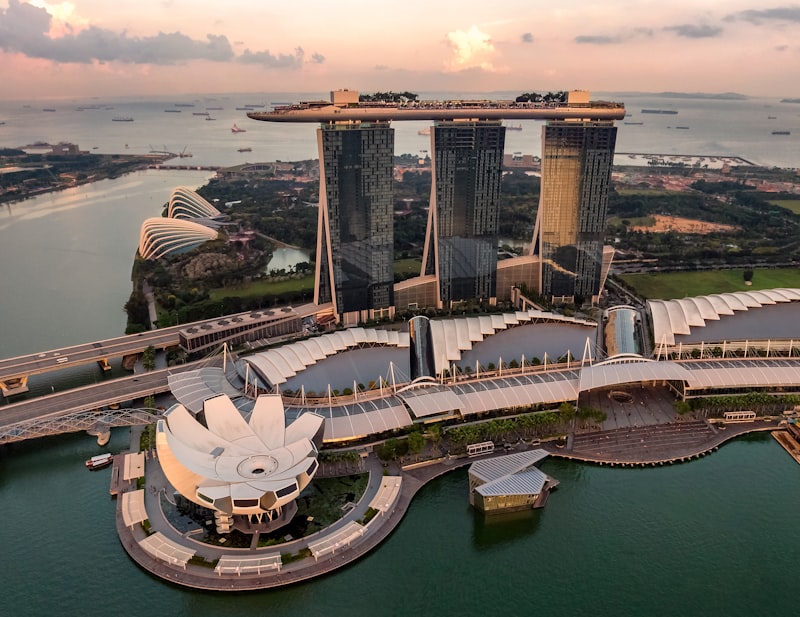
On March 10, 2026, Singapore made history by becoming the first country in the world to achieve the World Health Organization's highest maturity level for medical device regulation. The Health Sciences Authority (HSA) reached Maturity Level 4 (ML4) under WHO's Global Benchmarking Tool Plus for medical devices (GBT+MD).
This achievement represents the highest classification in WHO's assessment system for national medical device regulators—a stamp of approval that few countries in the world can match.
🏥 What This Means for Medical Tourism
Singapore has long been known as a premium medical tourism destination in Asia. This new certification cements its position as the region's leader in healthcare quality and safety standards.
For international patients seeking treatment abroad, WHO's ML4 certification provides an additional layer of assurance:
- Device Safety: All medical devices used in Singapore facilities have passed the most stringent regulatory reviews globally
- Quality Assurance: The certification covers everything from manufacturing oversight to post-market surveillance
- International Recognition: ML4 is recognized across major global health markets, making Singapore a trusted destination for patients from anywhere in the world
🇨🇳 How Does China Compare?
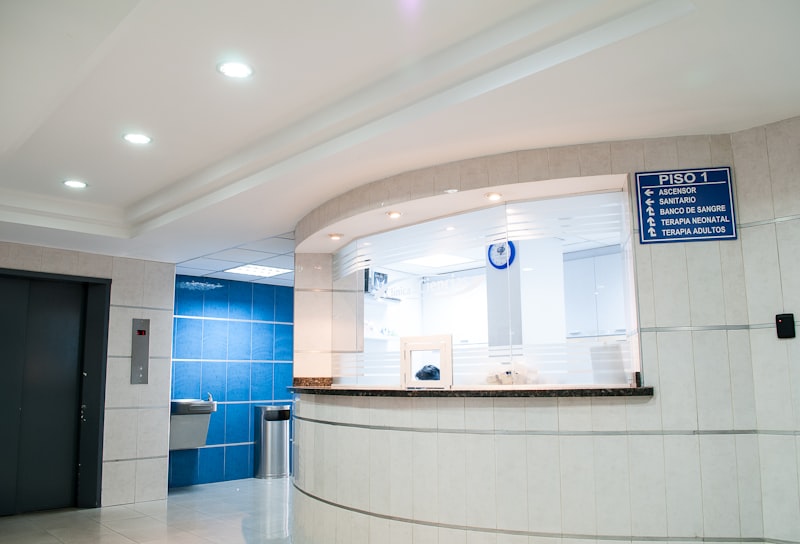
China, as the world's most populous country and a rapidly growing player in medical tourism, has made significant investments in healthcare quality over the past decade. Here's the reality:
China's Medical Device Regulation Progress
China's National Medical Products Administration (NMPA) has been systematically upgrading its regulatory framework:
- Implemented the NMPA's new regulatory reforms in 2021, aligning more closely with international standards
- Launched Innovative Device Approval pathways to accelerate access to cutting-edge medical technologies
- Increased inspection frequency and enforcement on domestic and imported medical devices
- Established Real-World Evidence frameworks for post-market surveillance
China's top-tier hospitals—particularly in cities like Beijing, Shanghai, Guangzhou, and Shenzhen—routinely use the same or equivalent medical device brands as Singapore's private hospitals, often at much higher volumes.
Where China Leads
Despite Singapore's certification milestone, China holds distinct advantages in several areas:
- Volume and Experience: Chinese hospitals perform vastly more procedures, giving medical teams unparalleled hands-on experience
- Cost Competitiveness: Even with imported devices, treatment costs in China remain significantly lower than Singapore
- Device Manufacturing: China is becoming a major global manufacturer of medical devices, with some domestic brands now competing internationally
- Specialized Centers: China has developed world-leading expertise in specific specialties through super-specialized hospitals
📊 Direct Comparison: Singapore vs China
| Factor | Singapore | China |
|---|---|---|
| WHO Certification | First country globally to reach ML4 (2026) | Ongoing regulatory development |
| Medical Device Quality | Highest international standards | Rapidly improving, top-tier hospitals match global quality |
| Treatment Costs | Premium pricing | 30-60% lower for equivalent care |
| Surgeon Experience | High quality, smaller patient volume | Extremely high volume, extensive hands-on experience |
| Medical Tourism Infrastructure | Mature, English-speaking, established brand | Developing rapidly, major hospitals have international departments |
| Wait Times | Minimal for private care | Minimal at top-tier international hospitals |
| Specialty Focus | General excellence across specialties | World-leading in specific high-volume procedures |
💡 Key Takeaways
- Singapore's achievement is significant—it represents the highest possible regulatory standard for medical devices globally, and patients can have complete confidence in device safety there.
- China's healthcare quality is rapidly upgrading—top-tier Chinese hospitals are increasingly aligned with international standards, often using the same global device brands as Singapore's premium hospitals.
- Cost-value proposition matters—for patients without insurance coverage or those seeking cost-effective options, China offers significant savings without necessarily compromising on quality.
- Both countries have unique strengths—Singapore excels in regulatory prestige and international brand recognition; China excels in volume experience, cost efficiency, and specialized expertise.
- Choice depends on individual priorities—patients should consider their specific medical needs, budget constraints, and treatment preferences when choosing between destinations.
🔗 Related Information
- Explore Treatment Options in China →
- Our Coordination Services →
- Complete Guide to Seeking Treatment in China →
- WHO official reports on medical device regulation and Singapore's achievement
- WHO Global Benchmarking Tool Plus (GBT+MD) documentation
- Header image: Singapo re skyline via Unsplash (CC0)
- China hospital image via Unsplash (CC0)
Considering Treatment in China?
Our coordination team can help you understand your options, compare facilities, and connect you with the right specialists—combining quality care with cost efficiency.
Start Free Case Review